
MindrianOS
Blog

Deep dives.
One idea at a time.

Methodology essays, framework explainers, public-company case studies, and what is inside the Brain.

A few pieces live below, with more on the way.

Published

Live now. Read them all.

Every article we have published, in one place. Nothing here ever gets removed.

Problem Types01

Why Most Teams Solve the Wrong Problem

The difference between undefined, ill-defined, well-defined, and wicked problems. Why classification comes before methodology.

Read the article
Problem Types02

Say What the Solution Must Deliver, Not What It Is

The well-defined problem tells you what a solution must deliver, without ever naming the solution. A value proposition strong enough to make someone change.

Read the article
Problem Types03

Wicked Problems: When the Problem Fights Back

Rittel and Webber's 1973 insight is more relevant than ever. How MindrianOS handles problems that resist definition.

Read the article
Frameworks04

The Beam Nobody Has Won

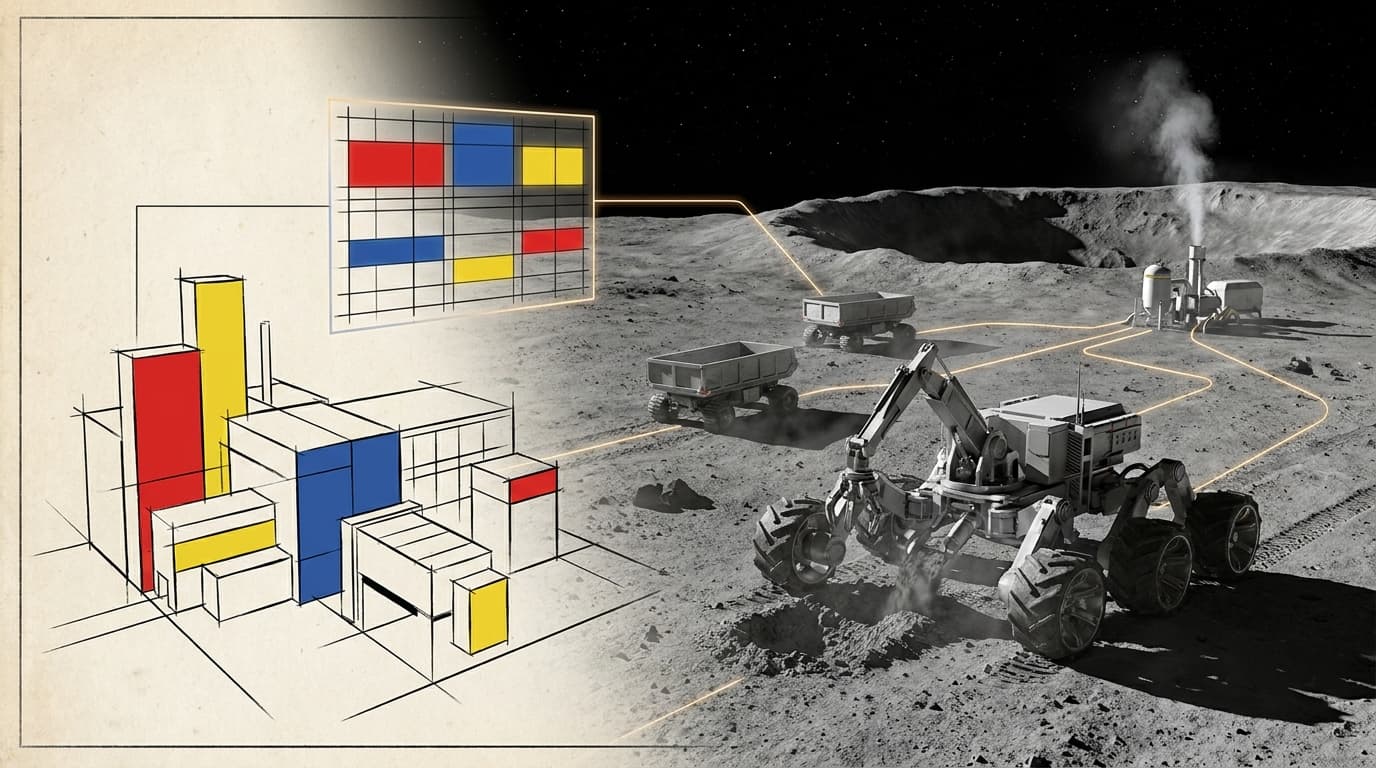
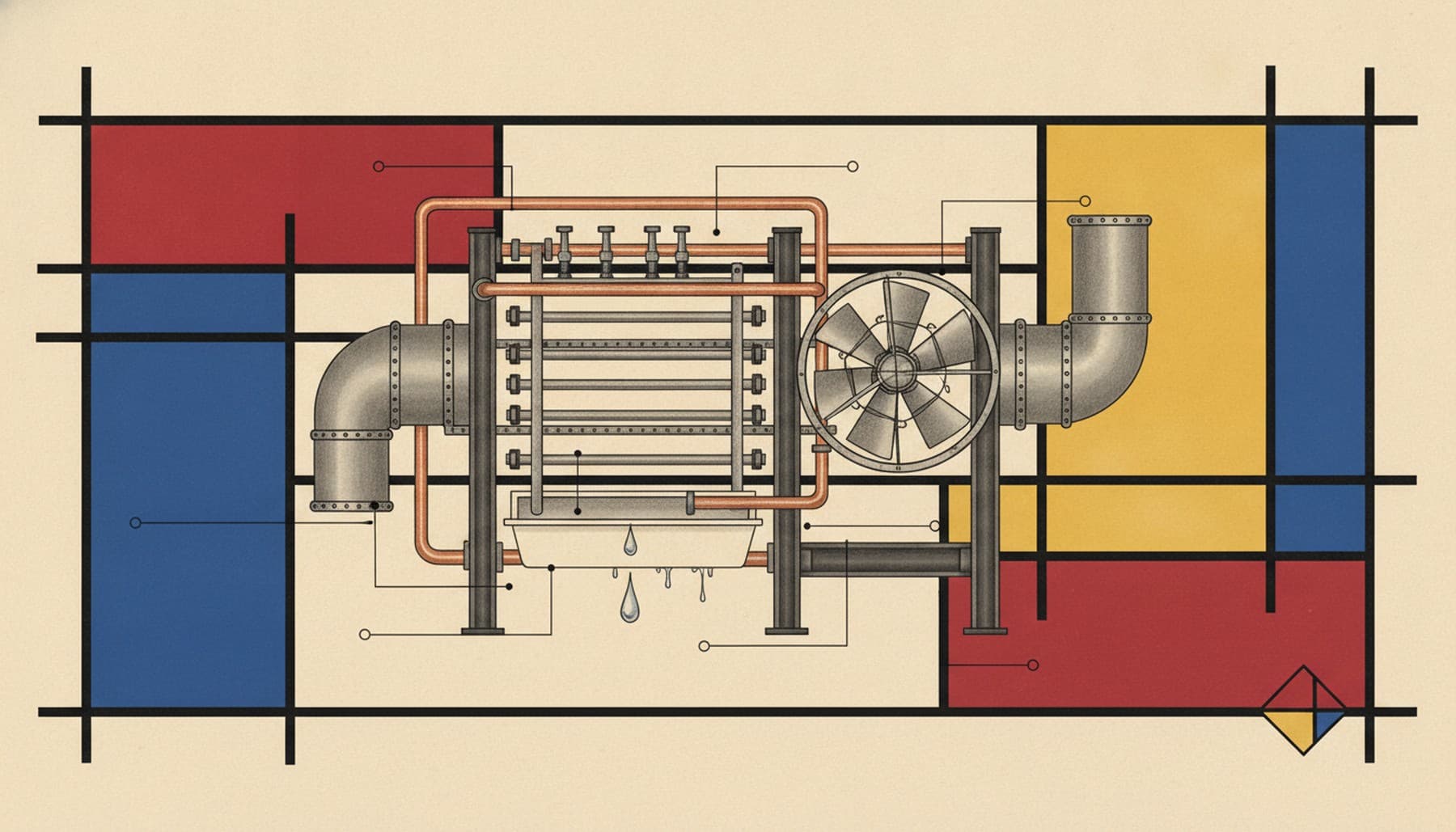
Four rival directed-energy architectures are competing for the same job, and none has won yet. The US Army's own Enduring High Energy Laser program is a formal, dated competition to pick one. The narrative foil to the brick that won: this beam has not.

Read the article
Frameworks05

The Curve Doesn't Care What Runs It

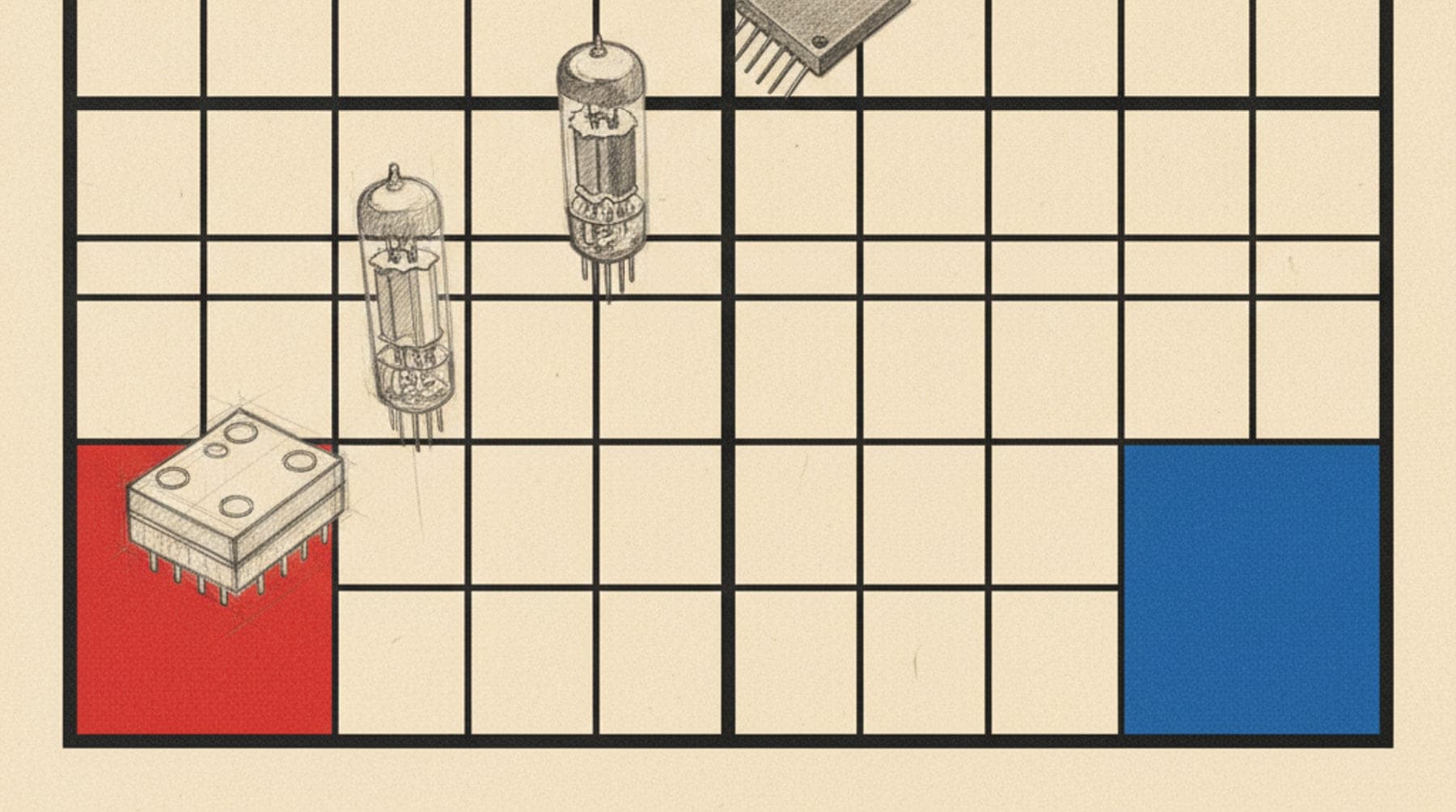
A single technology rides an S-curve: slow start, steep middle, saturation ceiling. The exponential everyone quotes is a cascade of those curves, each new paradigm climbing before the last one flattens. Read your domain's S-curve before it flattens, while someone quietly starts the next one underneath you.

Read the article
Frameworks06

Dominant Design: The Brick That Won

Why one architecture quietly wins and everyone builds on it, from the 1958 LEGO coupling to the Nobel-winning molecule that learned the same trick. Then find your own field's dominant design.

Read the article
Frameworks07

Maybe a Tank Needs to Be an Ambulance

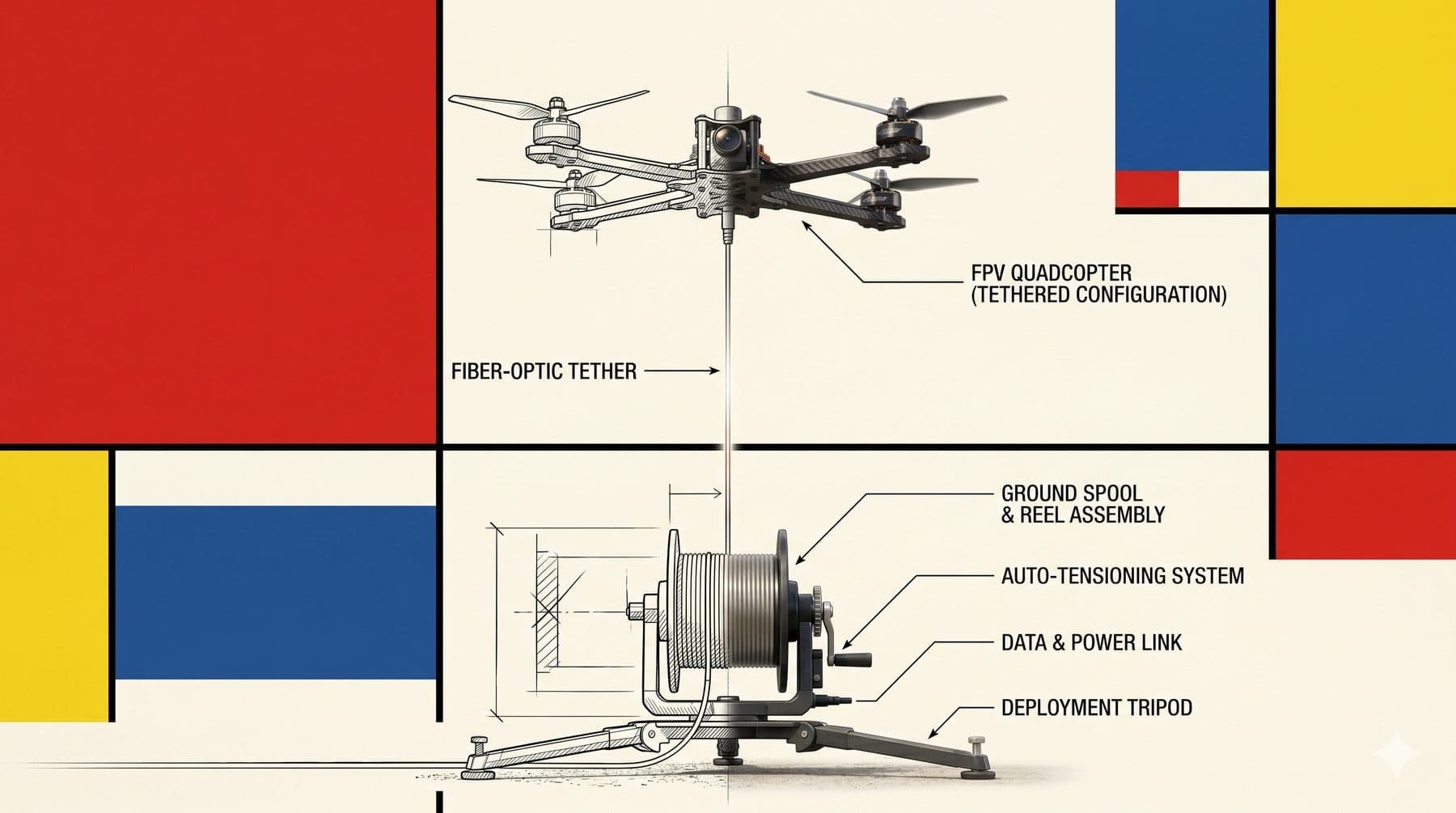
Battlefield medicine's dominant design is collapsing in real time: drones broke the golden hour's hidden assumption. Eras of ferment are when entrants win. Learn to spot the break in your field first.

Read the article
Frameworks08

The Great Horse Manure Crisis: When the Domain Dissolves

In 1894 the most serious urban problem in the world had an obvious trajectory and no solution. Then it vanished -- not because anyone solved it, but because a new technology dissolved the domain underneath it. The navigator's question: what is collapsing in your domain right now?

Read the article
Frameworks09

The Automobile Was the First Green Technology

By 1900 the city was drowning in horse manure, and the car arrived as the clean machine that saved it. Then it choked the city it rescued. The Futures Wheel, told through the most counterintuitive headline in tech history.

Read the article
Frameworks10

The Bag Was the Bottleneck

A vacuum's suction dies the moment the dust bag fills, and for a century everyone just built a bigger motor. The bag was the reverse salient. How James Dyson found the lagging component and deleted it, then find the one in your own system.

Read the article
Case Studies11

Ninja Got Rich on One-Star Reviews

SharkNinja did not invent the blender, the vacuum, or the air fryer. It industrialized the four PWS tools into an operating system: mine the one-star reviews, find the high-importance low-satisfaction step, attack the reverse salient (price, not performance), and out-engineer it at value. Then run the same move on your own category.

Read the article
Case Studies12

The Butterfly That Remembered

A 10-year-old in Kobe noticed a butterfly that seemed to remember him, and ended up cracking a century-old wall in biology. The real anatomy of a scientific eureka moment, mapped against modern insight neuroscience, and why the discovery needed a child to find it.

Read the article
Case Studies13

When Frameworks Intersect: Reverse Salient in the Wild

Annie Duke's quit framework, Astro Teller's tackle-the-monkey principle, and Thomas Hughes' Reverse Salient converge on the same insight about bottleneck identification.

Read the article
Coming next

On the bench.

The pipeline, organized by series. These publish as they are written.

Series 01

Problem Types.

Why classification comes before methodology. Undefined, ill-defined, well-defined, wicked.

Problem Types01

Destroying the Myth of Brainstorming

Why brainstorming fails on the problems that matter, and what a structured method puts in its place.

Coming soon
Series 02

Framework Deep Dives.

One framework, one essay. What it does, when to reach for it, what it produces.

Frameworks01

Trending to the Absurd: Push Until It Breaks

The most counter-intuitive framework in the PWS toolkit. Take any trend, extrapolate it to absurdity, find the innovation hiding in the extreme.

Coming soon
Frameworks02

The Beautiful Question That Changes Everything

Warren Berger meets PWS methodology. How Why/What If/How sequencing unlocks problems nobody else is asking.

Coming soon
Frameworks03

Six Hats, One Problem: Perspective as Technology

Edward de Bono's framework reimagined for AI-powered venture thinking. How Larry runs a six-perspective analysis in minutes.

Coming soon
Frameworks04

Scenario Planning: Mapping Futures You Cannot Predict

From Shell's 1973 oil crisis success to your venture. How 2x2 uncertainty matrices prepare you for what is coming.

Coming soon
Series 03

Case Studies.

Public companies. PWS analysis. What the framework actually saw.

Case Studies01

How Warby Parker Found a Problem Worth Solving

A PWS analysis of Warby Parker's innovation journey. Domain selection, customer-job analysis, and the reverse salient nobody saw.

Coming soon
Case Studies02

Netflix: Three S-Curves in 20 Years

DVD-by-mail, streaming, originals. How timing analysis explains Netflix's impossible reinventions.

Coming soon
Case Studies03

LEGO: From Near-Bankruptcy to Platform Dominance

The tools-vs-platforms framework explains why LEGO's worst crisis became its greatest innovation.

Coming soon
Series 04

Inside the Brain.

What a teaching knowledge graph actually contains. How it was built. Why it matters.

The Brain01

What a Teaching Knowledge Graph Looks Like

How decades of classroom teaching became a knowledge graph. The architecture of methodology intelligence.

Coming soon
The Brain02

Why Framework Chaining Cannot Be Prompt-Engineered

FEEDS_INTO relationships discovered through observation, not theory. Why the Brain's chaining rules are the real moat.

Coming soon
The Brain03

Grading 100+ Real Projects: What the Data Shows

The calibration dataset behind MindrianOS grading. Grade distributions, common failure patterns, what separates A-work from C-work.

Coming soon