When everyone has a power ring.
What a comic-book power ring can teach us about vibe coding, premature practicality and the future of innovation.
A ring that turns thought into matter builds the answer, never the question. An illustrated essay on vibe coding, first builds that harden into definitions, and how to keep a question alive.
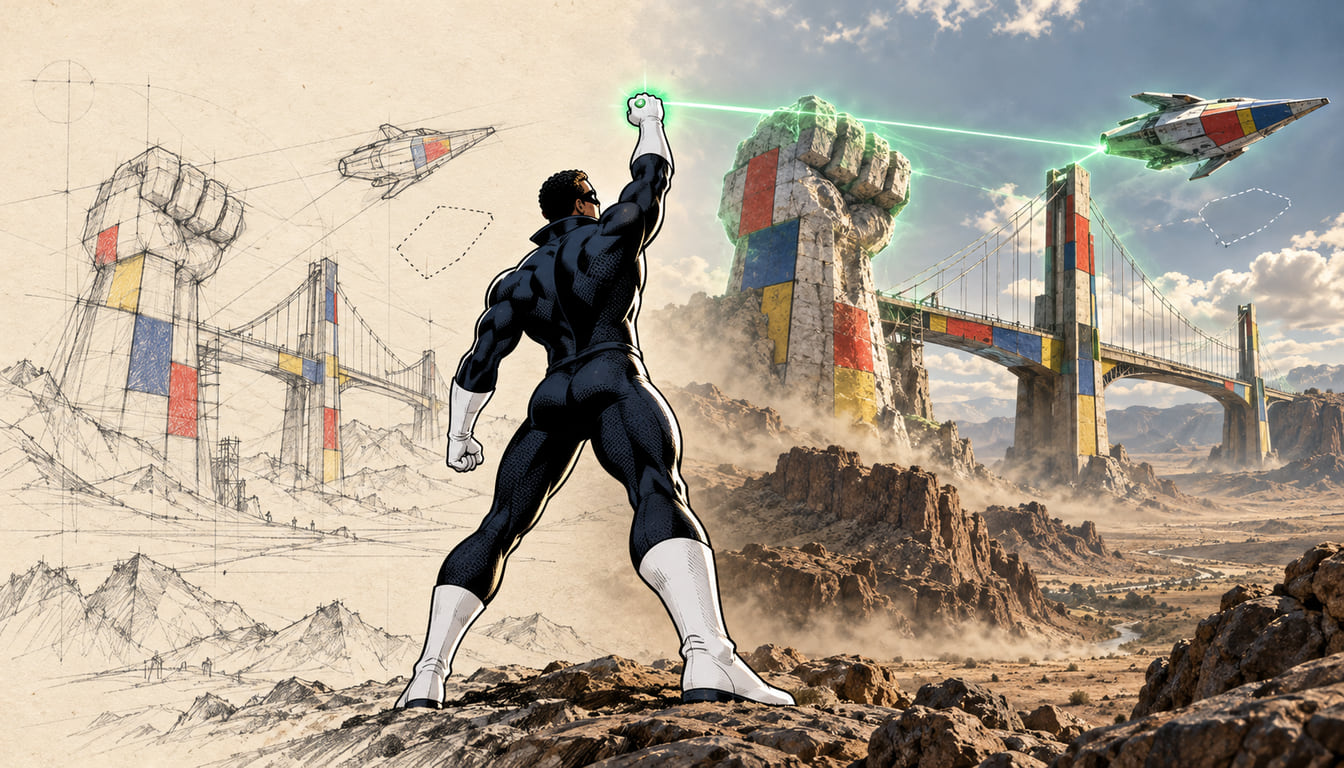
Imagine a ring that turns thought into matter. A shield. A spacecraft. A giant fist. Whatever you can picture, the ring builds.
There is one problem. The ring does not know whether your idea is any good. It does not know whether the shield protects the right thing, whether the bridge connects the right people, or whether the fist is solving a problem that never needed punching.
The ring manifests. The wearer imagines. With AI-assisted coding, more of us are acquiring something that looks suspiciously like that ring. Describe an application and an agent starts building it. Ask for an interface and screens appear. The distance between intention and implementation is collapsing, and much of that is real progress. More people can create without waiting for technical permission. A 2025 interview study of 22 product team members who build with vibe coding reported faster iteration and lower barriers to take part, and also described a tension between efficiency-driven prototyping and reflection. Demonstrated It is an interview study, so it reports what people said, not a measured effect.
But every superpower has a new failure mode. Ours may be this: ideas can now become products before they have had time to become interesting.
What we checked, and what the labels mean
Red means an assumption. A filled red square is a claim we make and have not shown. An open red square is a practice we propose and have not tested.
What the labels mean
- Demonstrated
- Measured in a study. The limits are stated next to it.
- Planned
- A practice we propose. It is not yet tested.
- Thesis
- Our own claim. It is not shown by evidence.
- PWS framing
- How Problems Worth Solving reads the situation. It is a lens, not evidence.
| Claim | Label | Checked against |
|---|---|---|
| Interview study of 22 product team members who build with vibe coding, 2025 | Demonstrated, interview study | arXiv 2509.10652 |
| Between-participants experiment, 60 participants, a chatbot avatar sketched in 20 minutes, CHI 2024 | Demonstrated, with limits | arXiv 2403.11164 |
| A wealth of information creates a poverty of attention, 1971, pages 40 to 41 | Thesis: an analogy, not a measurement | Scanned chapter, Johns Hopkins Press |
I. The first answer is now free
The sharper reading is that AI makes the first answer free, so the question has become the scarce thing.
Most people read this as “AI makes bad ideas easy to ship”. The sharper reading is that AI makes the first answer free, so the question has become the scarce thing. Economists made a similar move about information: when information is abundant, attention becomes the scarce thing. Thesis This is an analogy, not a measurement.
The ring is a multiplier. A fearful imagination builds defenses, a combative one builds weapons, a playful one builds something nobody considered. The technology is identical. The constructs are not.
The description you give a coding agent already contains a theory of the situation. “Build an AI tutor” assumes curiosity needs a tutor. “Build a community platform” assumes community needs a platform. “Build a wellbeing dashboard” assumes wellbeing should be measured. The prompt looks like an instruction. It is an argument. By the time the first screen appears, the problem has been framed, the solution category chosen, the users given roles, and some behaviours made visible while others vanish.
In the language of Problems Worth Solving, an ill-defined problem has just been treated as a well-defined one. It now has a goal, a user and a metric, whether or not anyone earned them. PWS framing
A prototype is not a neutral expression of an idea. It is an opinion wearing pixels.
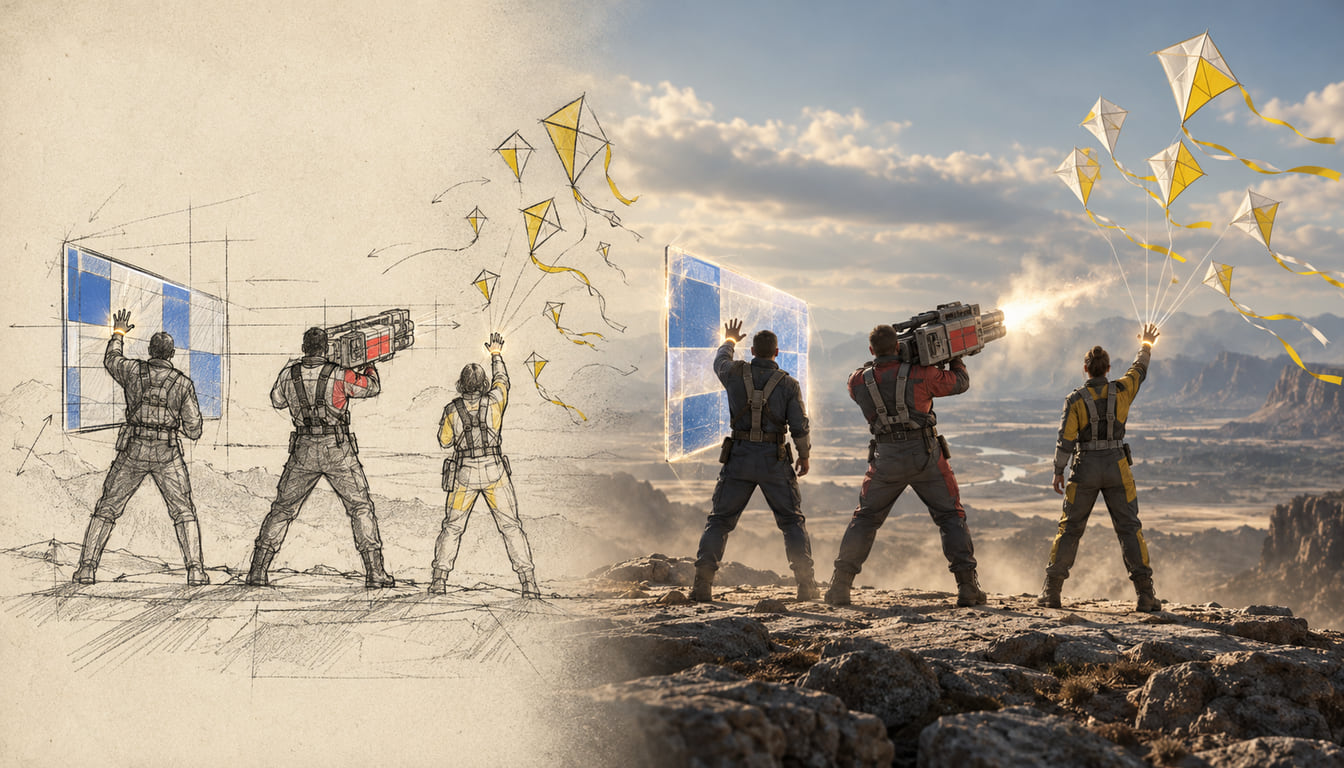
The prompt looks like an instruction. It is an argument.
II. How a radical idea gets domesticated
Refinement helps an idea survive reality. Domestication helps reality survive the idea.
Innovation culture says it loves bold ideas. In practice it loves them after they have been translated into familiar language. What is the use case? Who will pay? What metric moves? Can we test it in two weeks? These are fair questions, eventually. Asked too soon, they do not evaluate an idea. They reshape it.
A radically different way of learning becomes a more efficient education platform. A new conception of care becomes a scheduling tool. The idea becomes practical by becoming less itself. Thesis
Refinement and domestication are different. Refinement helps an idea survive reality. Domestication helps reality survive the idea.
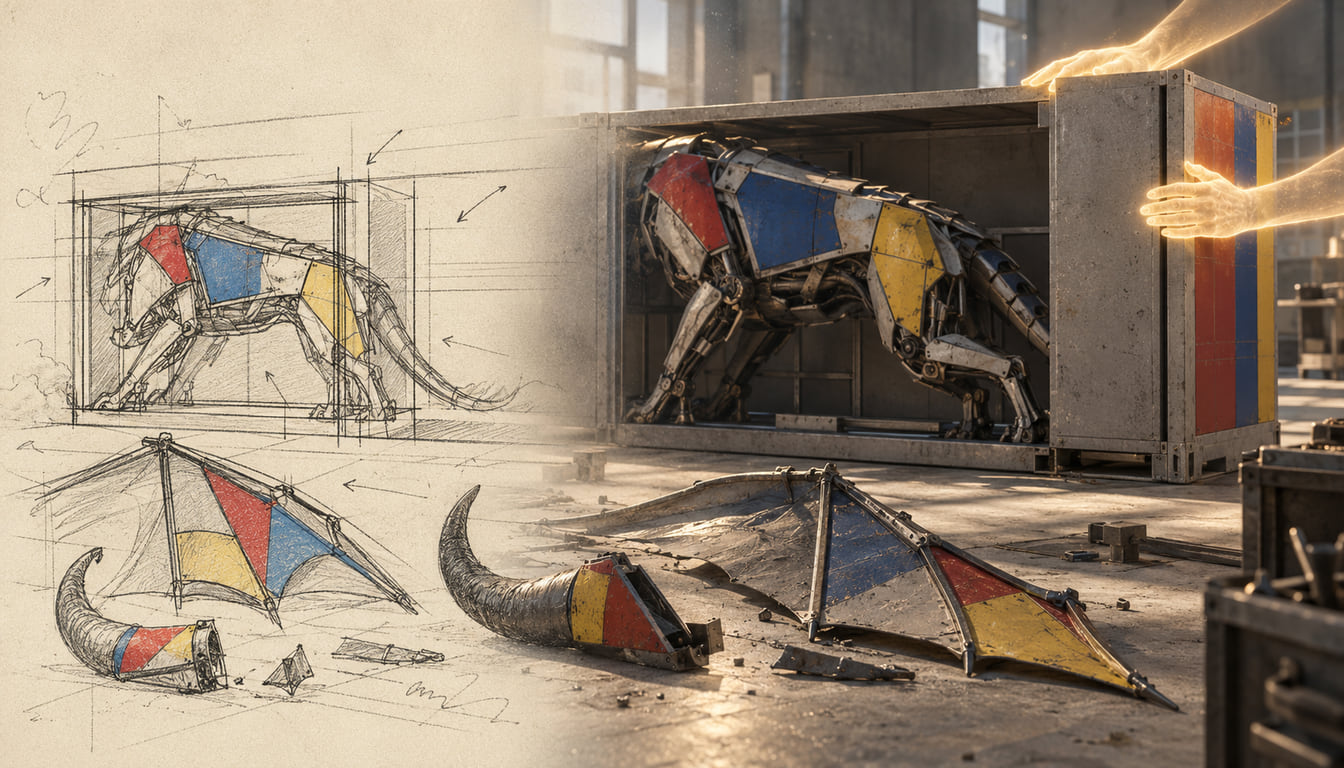
III. What if the first build becomes the definition?
A cheap build that looks finished makes people stop asking. So the throwaway build is not thrown away.
A scene, offered as a hypothetical. A team builds a rough tutor in an afternoon, “just to see”. By Friday it has a logo. By next quarter the roadmap is its feature list. A year later nobody can say what the original ambition was, only that “the tutor needs work”. The throwaway build was never thrown away. It was promoted to a definition. Thesis
The research points the same way. In a 2024 experiment, novice designers who used an AI image generator for inspiration fixated more on an initial example than those who used an ordinary image search or no inspiration at all, and produced fewer, less varied and less original ideas than those who had no inspiration support. Demonstrated, with limits The participants were novices, the task was visual, and the time was fixed, so it shows how fixation can happen with these tools, not that it always does. Ordinary image search also lowered the number of ideas, and the paper calls the originality difference small.
That is the answer to the hardest objection: “a fast prototype is the cheapest test, and slowing down to imagine costs more than a build you can throw away.” A cheap build that looks finished makes people stop asking. So the throwaway build is not thrown away.
IV. A prototype is a creative reduction
A prototype lets an imagined possibility meet the world. It also reduces: it takes a field of possibilities and selects one form.
A prototype lets an imagined possibility meet the world. It also reduces: it takes a field of possibilities and selects one form. Take a hypothetical ambition: create a learning environment where students feel safe being wrong. An agent could turn that into anonymous submissions, encouraging feedback and a progress dashboard. It might even work. But the design has answered questions nobody asked. Does anonymity create safety, or distance? Does tracking encourage exploration, or make mistakes feel watched? Is the right intervention software, a classroom ritual, a different grading policy, or removing something that exists?
A polished interface is not evidence. At most it is evidence that something can be built, and sometimes how it feels. It is not evidence that anyone needed it. PWS framing
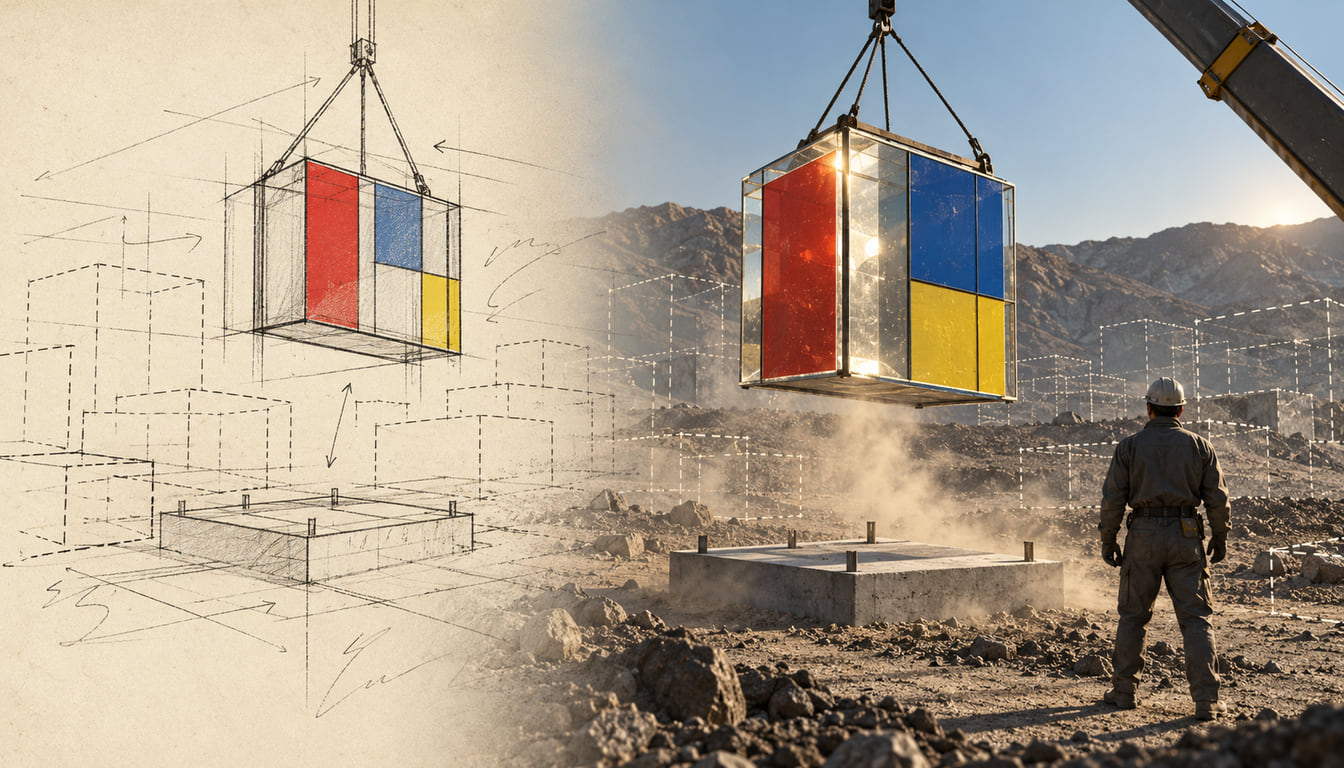
V. What if the ring asked first?
A scene, offered as a hypothetical. You raise the ring and say “build me an AI tutor”. The ring dims. It answers with one request: “Before I build, say what this will leave out.” You say it will leave out silence, being wrong in private, and the possibility that a classroom needs fewer screens, not more. The ring thinks. Then it asks: “Do you still want the tutor?”
VI. Keep the question alive
The healthier cycle is: imagine, manifest, encounter, reconsider, imagine again.
A beautiful question cannot stay unanswered forever. A question never pushed toward an answer is philosophy, not innovation. PWS framing But an answer without a living question is only optimization.
Strong innovation needs both exploration and experimentation, and they should not move at the same speed. Exploration asks what might become possible? It opens the field. Experimentation asks what do we expect to happen, and what would prove us wrong? It disciplines a claim. Demand immediate evidence from exploration and unfamiliar ideas die early. Treat an exciting exploration as proof and a beautiful prototype becomes its own evidence. The healthier cycle is: imagine, manifest, encounter, reconsider, imagine again. The important moment is not when the idea becomes real. It is when reality is allowed to change the idea.
VII. Four disciplines for keeping imagination wild
Planned
- 1Write the possibility above the product.
Not “create an AI tutor”, but “help students develop the confidence to pursue questions nobody assigned them”. The product can change. The possibility stays visible above it.
- 2Build competing interpretations.
Ask for three fundamentally different responses to one ambition: one software, one a change of social practice, one the removal of something that exists. The aim is to expose the assumptions hiding inside the first option.
- 3Name what the prototype excludes.
What it preserves, what it assumes, what it makes visible, what it makes hard to see, and what part of the original possibility remains unbuilt. Early on, ask what it made you notice, before asking whether a metric moved.
- 4Keep the right not to build.
Sometimes the answer is a conversation, a policy, a ritual, or removing a system. If every process must end in software, it is not discovering solutions. It is manufacturing demand for its favourite tool.
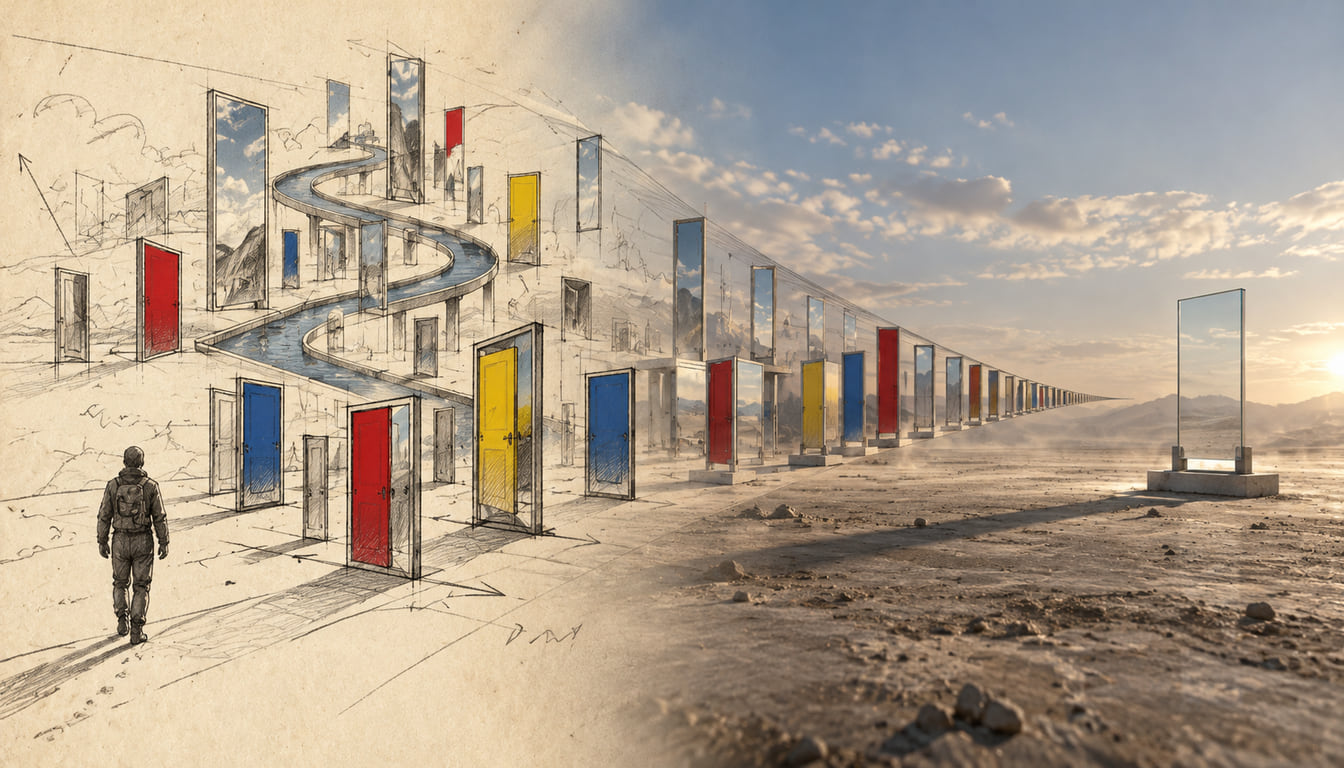
VIII. When execution is cheap, judgment is the lagging part
Every system runs at the speed of its slowest component. When building speeds up, the lagging part is judgment.
Every system runs at the speed of its slowest component. When building speeds up, the lagging part is judgment. PWS framing: reverse salient When almost anyone can build, the scarce abilities are: seeing a need before it becomes obvious, holding several interpretations open, and walking away from a construct that works but should not exist.
IX. What if the unbuilt thing were the valuable one?
A scene, offered as a hypothetical. In the last room there are no products. Each case holds an unanswered question and a card saying what it asked, who asked it, what was almost built, and why it was left open. A visitor stops at one and says, “I could build that in a day.” The curator says, “That is why it is here.”
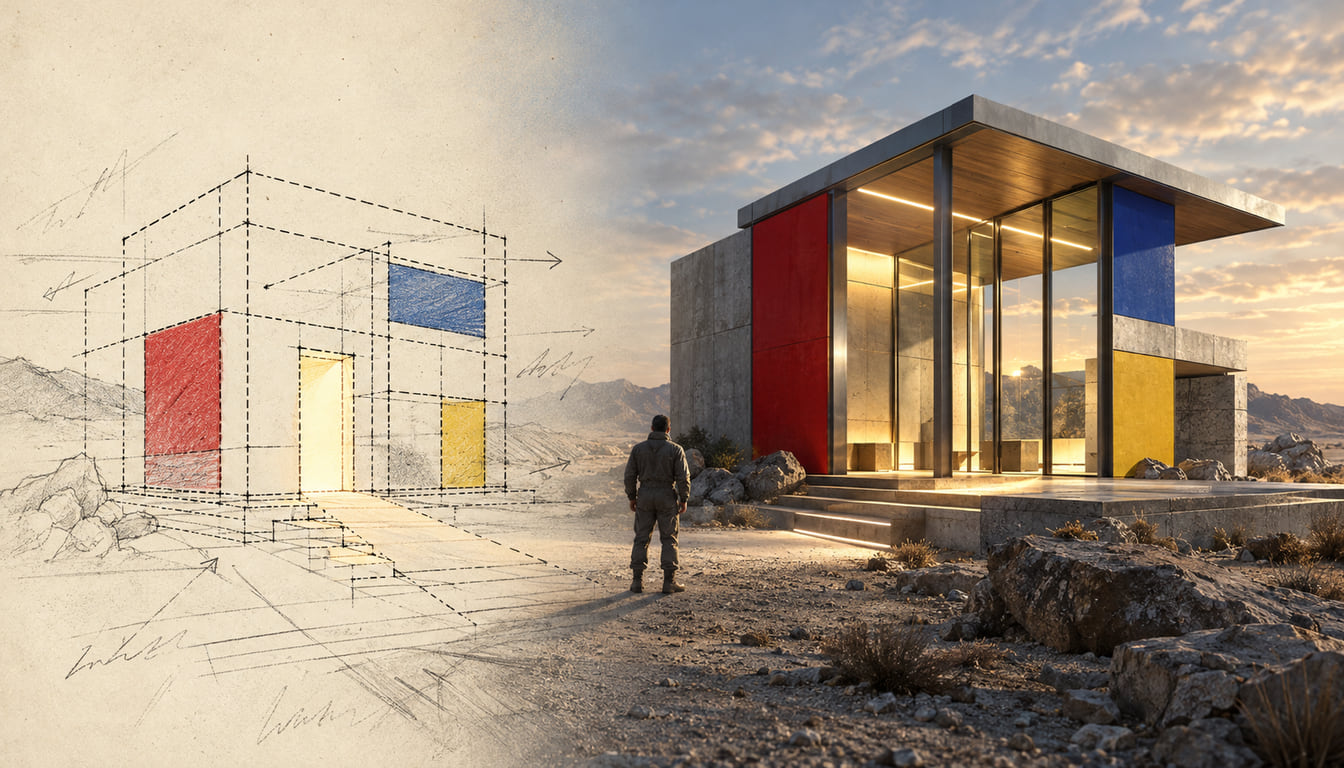
X. The lesson of the ring
The ring can create almost anything, but it cannot decide what deserves to exist.
The ring’s real lesson is not that imagination can become matter. It is that power and imagination are different things. The ring can create almost anything, but it cannot decide what deserves to exist. AI can help us manifest an answer, but it cannot guarantee that we protected the question long enough to find an original one.
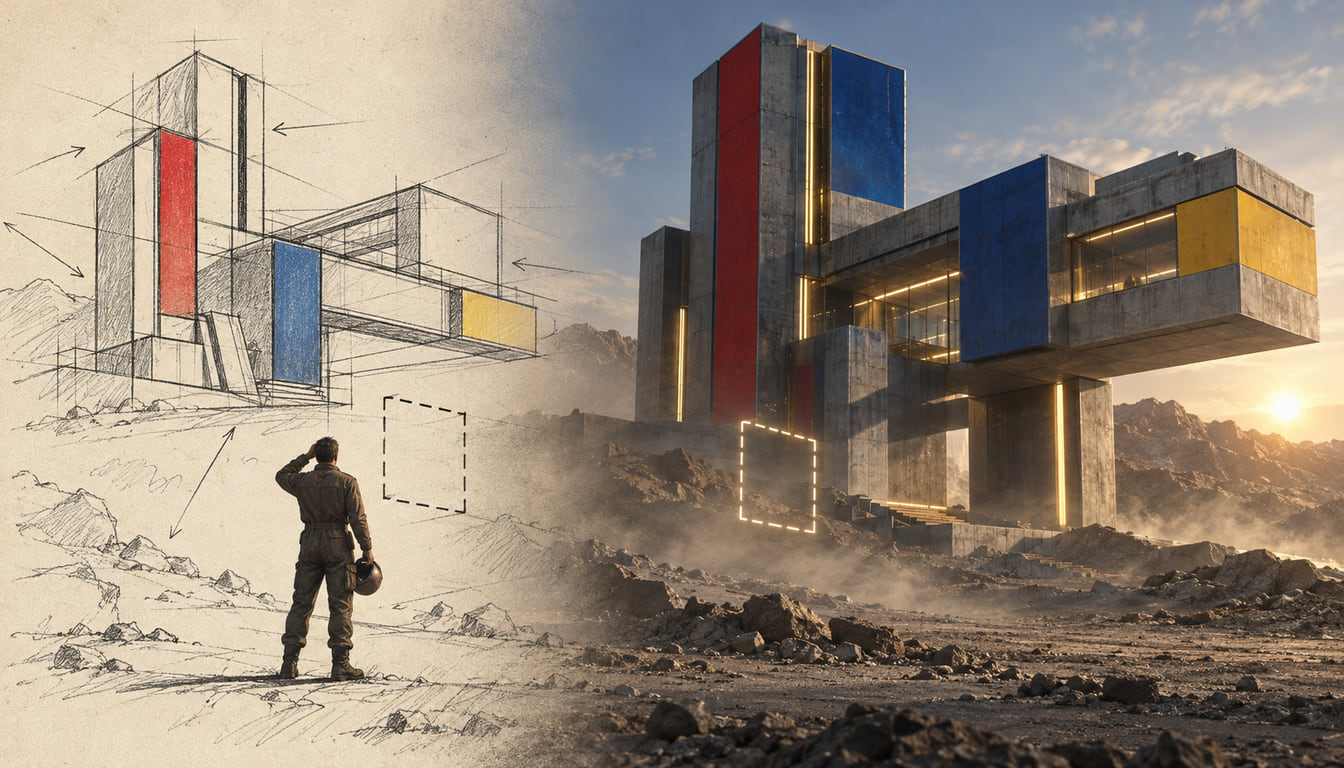
The best innovator in a world of power rings will not be the one who makes the most constructs. It will be the one who can stand in front of something beautiful, functional and ready to ship, and still ask: is this what the situation needed, or merely the first thing our new power made easy to imagine?
Build the construct. Test what it claims. But never let what you can build define the limits of what you can imagine.
Keep reading
- The Breakthrough Might Already Exist in the Wrong Field: on looking for an answer in a field that is not your own.
- When Frameworks Intersect: Reverse Salient in the Wild: on finding the part of a system that holds the rest back.
- Wicked Problems: When the Problem Fights Back: on problems that resist definition.
What do people ask next?
What does a comic-book power ring have to do with vibe coding?
The ring builds whatever you picture, but it cannot tell whether the picture is any good. The essay argues that AI-assisted coding is becoming a little like that: describe an application and an agent builds it. That makes the first answer free, and the question the scarce thing. This is our thesis, not a measurement.
Is a fast prototype not the cheapest test?
Sometimes it is, and the objection is fair. The essay answers that a cheap build that looks finished makes people stop asking, so the throwaway build is not thrown away. It can be promoted to a definition. A polished interface shows that something can be built, not that anyone needed it. This is our thesis, not a measurement.
Does the research show that AI always makes people fixate?
No. In a 2024 experiment with 60 participants, novice designers who used an AI image generator for inspiration fixated more on an initial example than those who used an ordinary image search or no inspiration. The experiment used novices on one visual task with fixed time, so it shows how fixation can happen with these tools, not that it always does.
What is the difference between refining and domesticating an idea?
Refinement helps an idea survive reality. Domestication helps reality survive the idea. Questions such as what is the use case, who will pay and what metric moves are fair, but asked too soon they do not evaluate an idea, they reshape it, and the idea becomes practical by becoming less itself. This is our thesis, not a measurement.
Does this mean you should stop building with AI?
No. The essay says to build the construct and test what it claims. It offers four disciplines for keeping imagination wild: write the possibility above the product, build competing interpretations, name what the prototype excludes, and keep the right not to build. They are labelled Planned: practices we propose, not yet tested.
Sources and image credits
- Design fixation experiment. “The Effects of Generative AI on Design Fixation and Divergent Thinking”, CHI 2024, arXiv 2403.11164. A between-participants experiment with 60 participants who sketched ideas for a chatbot avatar in 20 minutes: paper.
- Interview study. “Vibe Coding in Product Teams: Reconfiguring AI-Assisted Workflows, Prototyping, and Collaboration”, arXiv 2509.10652, 2025. Interviews with 22 product team members: paper.
- Information and attention. “Designing Organizations for an Information-Rich World”, in Computers, Communications, and the Public Interest, Johns Hopkins Press, 1971, pages 40 to 41: a wealth of information creates a poverty of attention: chapter.
- The pictures. The seven pictures are AI-generated concept illustrations, made with Codex image generation from written briefs. Each shows a pencil sketch on the left and a lit, realistic rendering on the right. They are not photographs and not evidence of any event. Each carries the credit AI-generated concept illustration.
What does this change about your problem?
Bring a hard problem or a load-bearing hypothesis into a DataRoom. Connect the context, question the assumptions, and choose what to test next.